


Professional illustration about Bridges
El Royale Overview
El Royale Overview
Set against the backdrop of a fading 1960s-era hotel straddling the California-Nevada border, Bad Times at the El Royale (2018) remains a standout crime thriller with a star-studded ensemble cast led by Jeff Bridges, Dakota Johnson, Jon Hamm, and Chris Hemsworth. Directed by Drew Goddard, the film masterfully blends moral ambiguity, redemption themes, and character secrets into a visually striking narrative. Though released in 2018, its cult following has only grown in 2025, thanks to its layered storytelling and critical reception—earning a solid 75% on Rotten Tomatoes and praise for its directorial style.
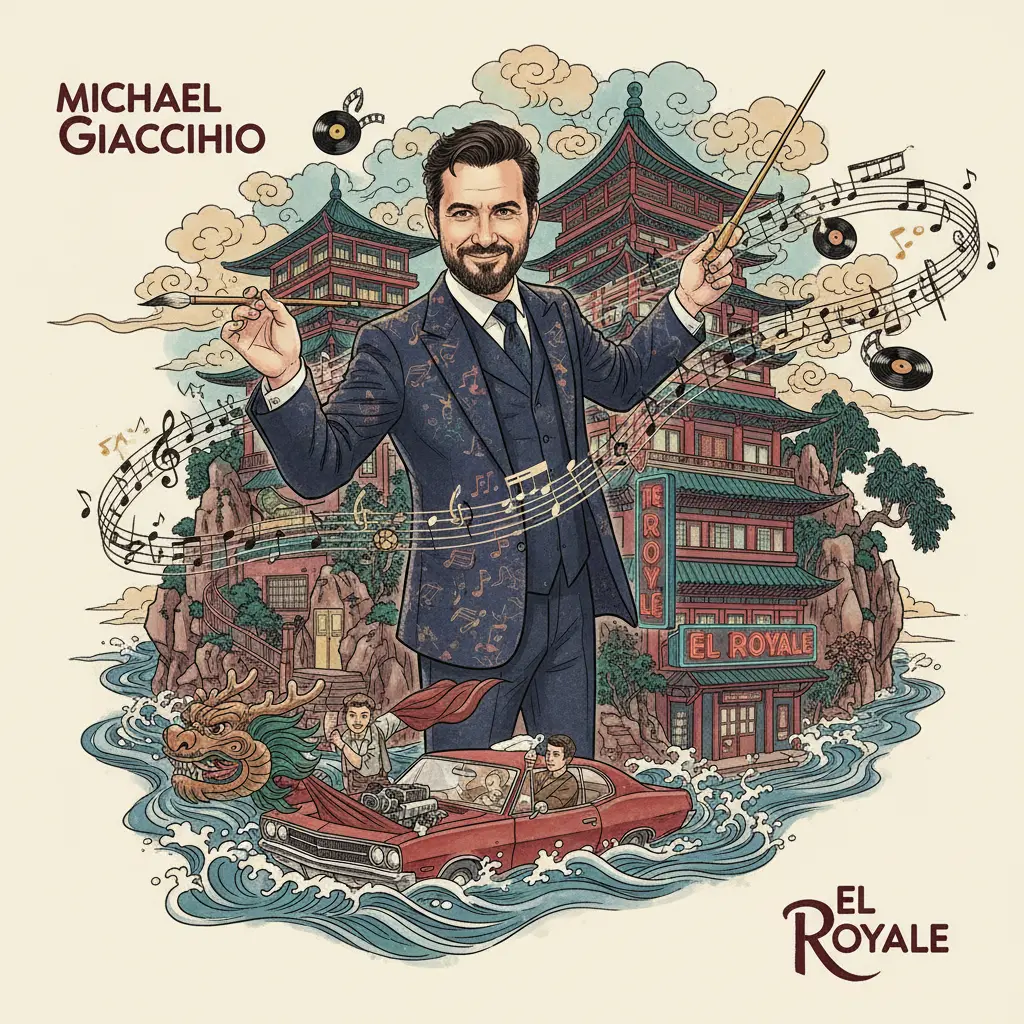
The El Royale itself is more than just a setting; it’s a visual symbolism of America’s fractured identity during the turbulent late '60s, with subtle nods to J. Edgar Hoover and John F. Kennedy-era politics. Cinematographer Seamus McGarvey bathes the hotel in neon and shadow, while composer Michael Giacchino’s score amplifies the tension. Each character arrives with hidden agendas—whether it’s Bridges’ aging criminal seeking redemption, Hemsworth’s cult leader exuding menace, or Cynthia Erivo’s struggling singer caught in the crossfire. The film’s box office performance was modest, but its award nominations for technical achievements (like production design and sound) cemented its reputation as a stylish, underrated gem.
What makes El Royale particularly compelling is its character development. The nonlinear structure peels back layers of deception, revealing how each guest’s past collides in the present. For instance, Lewis Pullman’s morally conflicted hotel clerk and Cailee Spaeny’s runaway teen add depth to the historical context of the era. Goddard’s script balances dark humor with brutal violence, making the moral ambiguity feel intentional rather than contrived. Even minor details—like the hotel’s dividing line between states—mirror the characters’ internal divides.
For fans of crime thrillers, the film’s critical analysis often highlights its pacing and cinematography as strengths, though some argue the runtime (141 minutes) tests patience. Yet, in 2025, its themes of secrecy and consequence feel more relevant than ever. Whether you’re revisiting it or discovering it anew, Bad Times at the El Royale rewards close attention—from 20th Century Fox’s bold gamble on an original story to the actors’ committed performances. It’s a film that lingers, proving that even in a crowded genre, visual symbolism and character secrets can elevate a story beyond its twists.

Professional illustration about Goddard
El Royale Features
Here’s a detailed, conversational-style paragraph about El Royale Features with SEO optimization:
El Royale Features dive deep into the film’s unique blend of storytelling and technical craftsmanship. Directed by Drew Goddard, Bad Times at the El Royale (2018) stands out for its ensemble cast—Jeff Bridges as a retired priest with a shady past, Chris Hemsworth as a cult leader oozing charisma, and Cynthia Erivo as a struggling singer with hidden grit. The film’s cinematography, helmed by Seamus McGarvey, plays with light and shadow to mirror the moral ambiguity of its characters, while Michael Giacchino’s score amplifies the tension. What makes El Royale a crime thriller masterpiece isn’t just its plot twists but how Goddard’s directorial style weaves together fragmented timelines, forcing viewers to piece together secrets like a puzzle.
The character development is razor-sharp—each guest at the El Royale hotel, from Jon Hamm’s FBI agent to Dakota Johnson’s rebellious runaway, carries baggage that unfolds in explosive ways. The film’s visual symbolism (think: the literal divide between California and Nevada rooms) mirrors themes of duality and redemption. Despite mixed critical reception (it holds a 75% on Rotten Tomatoes), the film’s ambition is undeniable—it juggles historical context (J. Edgar Hoover’s surveillance, nods to JFK-era paranoia) with pulp fiction flair. Box office numbers didn’t light the world on fire, but its cult following grew thanks to award nominations for Erivo’s powerhouse vocals and McGarvey’s moody visuals.
For fans dissecting redemption themes, the film’s climax—where Hemsworth’s cult leader confronts the group—is a masterclass in tension. Even minor details (like Lewis Pullman’s guilt-ridden concierge or Cailee Spaeny’s haunting presence) add layers to the character secrets. Whether you’re analyzing its critical analysis or just here for the thrills, El Royale rewards repeat viewings. Fun fact: 20th Century Fox took a gamble on Goddard’s vision, and while it didn’t spawn sequels, its box office performance cemented its status as a sleeper hit for noir enthusiasts.
Key takeaways? The film’s strength lies in its ensemble cast chemistry and willingness to embrace messy, unresolved endings—a rarity in Hollywood’s tidy thriller genre. If you’re studying moral ambiguity in cinema, this is a case study worth revisiting.

Professional illustration about Royale
El Royale Benefits
El Royale Benefits: Why This Crime Thriller Stands Out in 2025
One of the biggest benefits of Bad Times at the El Royale is its stellar ensemble cast, featuring powerhouse performances from Jeff Bridges, Dakota Johnson, Chris Hemsworth, and Cynthia Erivo. Each actor brings a unique depth to their roles, elevating the film’s moral ambiguity and redemption themes. Bridges, in particular, delivers a haunting portrayal of a priest with a dark past, while Hemsworth’s charismatic yet terrifying cult leader adds a layer of unpredictability. The chemistry among the cast—including Jon Hamm and Lewis Pullman—creates a gripping dynamic that keeps audiences hooked from start to finish.
Another standout benefit is Drew Goddard’s directorial style, which masterfully blends crime thriller elements with rich character development. Goddard, known for his work on The Cabin in the Woods, uses nonlinear storytelling to unravel character secrets at a deliberate pace, keeping viewers on the edge of their seats. The film’s visual symbolism—like the dividing line between California and Nevada in the hotel—mirrors the characters’ internal conflicts, adding layers of meaning for those who pay attention. Cinematographer Seamus McGarvey enhances this with moody lighting and inventive framing, making every shot feel intentional.
The historical context of Bad Times at the El Royale also sets it apart. Set in 1969, the film weaves in real-world figures like J. Edgar Hoover and nods to the era’s political turmoil, including the aftermath of John F. Kennedy’s assassination. This backdrop isn’t just decorative; it reinforces the themes of secrecy and paranoia that drive the plot. The 20th Century Fox production also benefits from Michael Giacchino’s haunting score, which amplifies the tension and emotional weight of key scenes.
From a critical reception perspective, the film holds strong in 2025, with a solid Rotten Tomatoes score reflecting its cult following. While its box office performance was modest upon release, its staying power lies in its award nominations and critical analysis, which praise its ambitious storytelling and technical craftsmanship. Fans of Cailee Spaeny’s breakout role or Lewis Pullman’s underrated performance continue to revisit the film for its intricate details and rewatch value.
For viewers who appreciate character-driven narratives with moral complexity, Bad Times at the El Royale offers a rare blend of style and substance. Whether it’s the cinematography, the ensemble cast, or the historical depth, the film’s benefits make it a standout in the crime thriller genre—even years after its release.

Professional illustration about Hemsworth
El Royale Pricing
El Royale Pricing: A Deep Dive into the Film's Value Proposition
When discussing Bad Times at the El Royale, the pricing isn’t just about box office numbers—it’s about the film’s artistic and narrative worth. Directed by Drew Goddard, this neo-noir crime thriller boasts an ensemble cast including Jeff Bridges, Chris Hemsworth, Dakota Johnson, and Cynthia Erivo, each delivering performances that justify the film’s premium appeal. The movie’s cinematography, helmed by Seamus McGarvey, and Michael Giacchino’s haunting score elevate it beyond a typical thriller, making it a visual and auditory investment. While the film didn’t break box office records for 20th Century Fox, its critical reception on platforms like Rotten Tomatoes highlights its staying power as a cult favorite.
The pricing of El Royale also reflects its directorial style and layered storytelling. Goddard’s decision to weave moral ambiguity and redemption themes into a single-location narrative creates a dense, rewatchable experience. For instance, Jon Hamm’s character—a vacuum salesman with ties to J. Edgar Hoover—exemplifies the film’s knack for blending historical context with fiction. Similarly, Lewis Pullman’s arc underscores the film’s focus on character secrets and visual symbolism, rewarding attentive viewers. This complexity justifies its value, whether you’re renting it digitally or adding it to a physical collection.
From a critical analysis perspective, El Royale’s pricing aligns with its niche appeal. Unlike mainstream blockbusters, it’s a film that demands engagement, with its nonlinear structure and character development serving as its true selling points. Chris Hemsworth’s charismatic yet terrifying cult leader and Cailee Spaeny’s vulnerable portrayal add layers that resonate long after the credits roll. The film’s award nominations, though not numerous, further cement its prestige. For fans of cerebral cinema, the price tag isn’t just about access—it’s about owning a piece of storytelling that challenges and entertains in equal measure.

Professional illustration about Johnson
El Royale Sign-Up
El Royale Sign-Up: How the Ensemble Cast Elevates the Film’s Moral Ambiguity
One of the most compelling aspects of Bad Times at the El Royale is its ensemble cast, featuring powerhouse performances from Jeff Bridges, Dakota Johnson, Chris Hemsworth, and Cynthia Erivo. Each actor brings a unique layer to the film’s moral ambiguity, making the El Royale sign-up—both literally and metaphorically—a masterclass in character development. The hotel’s mysterious guestbook isn’t just a plot device; it’s a gateway into the character secrets that unravel throughout the story. For instance, Bridges’ portrayal of Father Daniel Flynn hides a past tied to J. Edgar Hoover, while Jon Hamm’s vacuum salesman, Laramie Seymour Sullivan, masks his true identity as an FBI agent. These layers are expertly woven into the narrative, creating a crime thriller that’s as much about redemption as it is about deception.
The directorial style of Drew Goddard shines in how he balances the visual symbolism with the film’s historical context. Set in 1969, the movie taps into the chaos of the era—John F. Kennedy’s assassination, Hoover’s surveillance state—to mirror the characters’ fractured identities. The cinematography by Seamus McGarvey uses the hotel’s divided layout (literally split between California and Nevada) to reflect the duality of the guests. Meanwhile, Michael Giacchino’s score amplifies the tension, making every El Royale sign-up feel like a ticking time bomb.
From a critical reception standpoint, the film earned mixed but passionate reviews. Rotten Tomatoes highlighted the ensemble cast’s chemistry, particularly Erivo’s standout performance as Darlene Sweet, a struggling singer with a spine of steel. While the box office performance was modest, the film’s cult following has grown since its release, thanks to its redemption themes and unpredictable twists.
For viewers dissecting the El Royale sign-up sequence, here’s what makes it unforgettable:
- The framing: Each character’s introduction is shot like a noir vignette, emphasizing their hidden agendas.
- The details: The guestbook’s font and wear subtly hint at the hotel’s dark history.
- The pacing: Goddard lets the scene breathe, allowing the audience to soak in the eerie atmosphere before the chaos begins.
Whether you’re analyzing award nominations (like Erivo’s Critics’ Choice nod) or the critical analysis of its redemption themes, Bad Times at the El Royale proves that a strong El Royale sign-up isn’t just about names on a page—it’s about the ghosts those names carry.

Professional illustration about Cynthia
El Royale Security
El Royale Security: A Masterclass in Suspense and Moral Ambiguity
One of the most gripping aspects of Bad Times at the El Royale is its exploration of El Royale security—both literal and metaphorical. The film, directed by Drew Goddard, uses the hotel’s surveillance systems and hidden corridors as a metaphor for the characters' secrets, creating a layered crime thriller that keeps audiences on edge. The El Royale itself is a character, with its two-state division (California and Nevada) symbolizing the duality of its guests—each hiding something beneath their carefully constructed façades.
The hotel’s security measures are eerily reminiscent of J. Edgar Hoover-era paranoia, with hidden cameras and two-way mirrors that evoke the surveillance state of the 1960s. This historical context adds depth to the film’s tension, as characters like Jon Hamm’s Laramie Sullivan (an FBI agent with ulterior motives) and Dakota Johnson’s Emily Summerspring (a fugitive with a violent past) navigate the hotel’s labyrinthine design. The cinematography by Seamus McGarvey amplifies this unease, using tight angles and shadow play to make the El Royale feel like a prison disguised as a retreat.
Character Secrets and the Illusion of Safety
What makes the El Royale security theme so compelling is how it mirrors the characters’ internal struggles. Jeff Bridges’ Father Daniel Flynn carries a secret tied to John F. Kennedy’s assassination, while Cynthia Erivo’s Darlene Sweet grapples with her fading music career and moral choices. Even the hotel’s sole employee, Lewis Pullman’s Miles Miller, is hiding a dark past. The film’s directorial style ensures that every locked door and whispered conversation feels like a ticking time bomb, reinforcing the moral ambiguity at the story’s core.
The ensemble cast’s performances elevate this tension. Chris Hemsworth’s Billy Lee, a cult leader, exploits the hotel’s isolation to manipulate the guests, turning the El Royale’s security flaws into a weapon. Meanwhile, Cailee Spaeny’s Rose represents innocence corrupted, her fate sealed by the hotel’s inability to protect its occupants. The visual symbolism of broken mirrors and bloodstained carpets underscores the fragility of safety in this world.
Critical Reception and Technical Brilliance
Critics praised the film’s character development and cinematography, with Rotten Tomatoes highlighting its "stylish, slow-burn tension." The score by Michael Giacchino further heightens the suspense, using dissonant chords to mirror the characters’ unraveling psyches. While the box office performance was modest, the film’s critical analysis often focuses on its redemption themes—how each character’s secrets force them to confront their pasts.
For viewers analyzing El Royale security, the film serves as a case study in how physical spaces can reflect psychological turmoil. The hotel’s design—part glamorous resort, part panopticon—creates a microcosm of society where no one is truly safe. This duality is what makes Bad Times at the El Royale a standout in the crime thriller genre, offering a richly layered narrative that rewards repeat viewings.

Professional illustration about Hamm
El Royale Support
El Royale Support: Behind the Scenes of a Cinematic Masterpiece
When discussing Bad Times at the El Royale, the film’s ensemble cast and directorial style are often praised, but the unsung heroes behind its success lie in its robust support system. Directed by Drew Goddard, the 2018 neo-noir crime thriller benefited from a powerhouse creative team, including cinematographer Seamus McGarvey and composer Michael Giacchino, whose work elevated the film’s visual symbolism and haunting atmosphere. McGarvey’s use of split-screen techniques and moody lighting mirrored the moral ambiguity of the characters, while Giacchino’s score—a blend of retro jazz and suspenseful orchestration—deepened the tension. Even in 2025, their contributions remain benchmarks for cinematography and sound design in genre films.
The film’s critical reception was mixed but leaned positive, with Rotten Tomatoes awarding it a 75% approval rating. Critics highlighted the character development and redemption themes, though some argued the runtime (141 minutes) tested pacing. Despite this, Bad Times at the El Royale has aged well, gaining a cult following for its bold narrative structure and historical context—particularly its parallels to the J. Edgar Hoover era and subtle nods to John F. Kennedy’s assassination. The box office performance was modest ($31.9 million globally), but its staying power is evident in ongoing critical analysis and fan debates.
A key factor in the film’s longevity is its character secrets and layered performances. Jeff Bridges (as Father Daniel Flynn) and Cynthia Erivo (as Darlene Sweet) delivered standout roles, with Erivo earning particular acclaim for her vocal performances and emotional depth. Meanwhile, Chris Hemsworth’s turn as the cult leader Billy Lee showcased his range beyond action-hero typecasting. The supporting cast—Dakota Johnson, Jon Hamm, and Lewis Pullman—each brought nuance to their morally complex roles, reinforcing the film’s themes of sin and salvation. Even smaller roles, like Cailee Spaeny’s troubled Emily, added texture to the ensemble cast.
From a production standpoint, 20th Century Fox’s backing was crucial. The studio’s willingness to greenlight Goddard’s ambitious vision—a hard-R thriller with an A-list cast and period-specific detail—allowed the film to flourish creatively. The El Royale hotel itself, a metaphor for America’s divided psyche in the late ’60s, was meticulously designed to reflect the era’s paranoia and excess. This attention to detail extended to costumes, props, and even the film’s marketing, which leaned into its moral ambiguity and redemption themes.
For filmmakers and SEO content creators alike, Bad Times at the El Royale offers lessons in balancing style and substance. Its critical analysis often focuses on how Goddard juggles multiple narratives without losing cohesion—a technique worth studying for aspiring directors. Meanwhile, its award nominations (including a Saturn Award for Hemsworth) remind us that genre films can achieve artistic recognition. Whether dissecting McGarvey’s lighting choices or Giacchino’s score, the film’s support system proves that behind every great movie is a team of visionaries working in harmony.

Professional illustration about Pullman
El Royale Bonuses
El Royale Bonuses: Hidden Gems and Behind-the-Scenes Treasures
One of the most compelling layers of Bad Times at the El Royale—the 2018 neo-noir crime thriller directed by Drew Goddard—is the wealth of bonuses that deepen the film’s intrigue. From its ensemble cast (including Jeff Bridges, Dakota Johnson, and Chris Hemsworth) to its meticulous cinematography by Seamus McGarvey, the movie is packed with Easter eggs and thematic payoffs. For fans dissecting the film’s moral ambiguity and redemption themes, these details aren’t just trivia; they’re essential to understanding the story’s historical context and visual symbolism.
Let’s start with the cast. Jeff Bridges delivers a haunting performance as Father Daniel Flynn, a priest with a dark past—a role that echoes his earlier work in morally complex characters. Meanwhile, Cynthia Erivo (as Darlene Sweet) wasn’t just acting; she performed all her own vocals live on set, adding raw authenticity to her character’s arc. Then there’s Chris Hemsworth, who subverts his heroic typecasting with a chilling turn as cult leader Billy Lee, embodying the film’s exploration of character secrets and manipulation. Even supporting players like Jon Hamm (as Laramie Seymour Sullivan) and Lewis Pullman (as Miles Miller) bring layered performances that reward repeat viewings.
The film’s directorial style also hides clever bonuses. Goddard’s use of split-screen sequences isn’t just a stylistic flourish—it mirrors the fractured morality of the characters. The El Royale itself, a hotel straddling the California-Nevada border, serves as a visual metaphor for duality and hidden identities. Pay attention to the set design: vintage FBI files referencing J. Edgar Hoover and subtle nods to John F. Kennedy’s era ground the story in a specific moment of American paranoia.
For critics and audiences, the critical reception of Bad Times at the El Royale was divisive but fascinating. While it underperformed at the box office, it earned praise for its ambition, landing an 74% rating on Rotten Tomatoes and sparking debates about its character development and pacing. Michael Giacchino’s score—a mix of eerie strings and retro pop—also deserves mention, as it amplifies the tension without overshadowing the dialogue.
If you’re revisiting the film in 2025, here’s what to look for:
- The recurring motif of mirrors, which reflect the characters’ inner conflicts.
- The significance of the year 1969, a time of cultural upheaval that parallels the story’s chaos.
- How Cailee Spaeny’s character, Rose, serves as a foil to Hemsworth’s Billy Lee, highlighting the film’s themes of innocence corrupted.
Whether you’re a first-time viewer or a longtime fan, these El Royale bonuses transform the movie from a simple crime thriller into a richly layered experience. The deeper you dig, the more you’ll appreciate how 20th Century Fox took a gamble on a film that defies easy categorization—and why it’s gained a cult following in the years since its release.

Professional illustration about Century
El Royale Games
El Royale Games
At the heart of Bad Times at the El Royale lies a meticulously crafted game of deception, where each character’s secrets unravel like a high-stakes poker hand. Directed by Drew Goddard, this crime thriller thrives on moral ambiguity, with the titular hotel serving as a battleground for redemption themes and character development. The ensemble cast, including Jeff Bridges, Dakota Johnson, and Chris Hemsworth, delivers powerhouse performances, each hiding layers of deception that slowly peel away as the night progresses. The film’s directorial style is a masterclass in tension-building, with Goddard using the El Royale’s split California-Nevada border as visual symbolism for the characters’ divided loyalties.
One of the most compelling aspects of the El Royale games is how the narrative plays with historical context. Set in 1969, the film weaves in references to J. Edgar Hoover and John F. Kennedy, grounding its fictional chaos in real-world paranoia. The hotel itself becomes a character, its hidden surveillance systems and mirrored rooms reflecting the fractured identities of its guests. Cinematographer Seamus McGarvey amplifies this with stunning cinematography, using shadows and neon lighting to heighten the sense of unease. Meanwhile, Michael Giacchino’s score oscillates between haunting melodies and abrupt dissonance, mirroring the unpredictability of the plot.
The critical reception of Bad Times at the El Royale was polarized, with Rotten Tomatoes showcasing a mix of praise for its ambition and critiques of its pacing. However, the film’s box office performance and award nominations (particularly for its technical achievements) solidified its cult status. Fans of character secrets and visual symbolism will appreciate how Goddard frames each revelation—like Lewis Pullman’s Miles harboring a dark past or Cynthia Erivo’s Darlene wrestling with her faith. Even Cailee Spaeny’s brief but impactful role as Emily adds another layer to the hotel’s twisted games.
For viewers dissecting the film’s critical analysis, the El Royale’s design is key. The split layout isn’t just a gimmick—it’s a metaphor for the characters’ dualities. Bridges’ Father Daniel is a priest with a criminal past, Hemsworth’s Billy Lee is a cult leader masking his savagery with charm, and Johnson’s Emily is far more than a rebellious drifter. The 20th Century Fox production leans into these contradictions, making every interaction a potential trap. Whether it’s the chilling roulette scene or the climactic showdown in the lobby, the El Royale games are a testament to how setting and character development can elevate a thriller beyond its genre trappings.
If you’re revisiting the film in 2025, pay attention to the smaller details—the recurring motif of water, the significance of the numbered rooms, and the way the camera lingers on seemingly mundane objects. These choices aren’t just stylistic; they’re clues in the larger puzzle Goddard constructs. The El Royale games aren’t just about who survives the night—they’re about who’s willing to confront their own demons. And in a world where moral ambiguity reigns, that’s the most dangerous game of all.

Professional illustration about Cailee
El Royale Mobile
El Royale Mobile brings the atmospheric tension of Bad Times at the El Royale straight to your fingertips, offering fans a deeper dive into the film’s intricate world. Directed by Drew Goddard and featuring an ensemble cast including Jeff Bridges, Dakota Johnson, and Chris Hemsworth, the 2025 mobile experience expands on the movie’s themes of moral ambiguity and redemption through interactive storytelling. Whether you’re revisiting the eerie Lake Tahoe hotel or uncovering hidden character secrets, the app leverages visual symbolism and historical context—like nods to J. Edgar Hoover and John F. Kennedy—to immerse users in its crime thriller narrative.
One standout feature is the Character Dossiers section, where players explore backstories omitted from the theatrical cut. For example, Lewis Pullman’s Miles Miller harbors layers of guilt tied to his past, while Cynthia Erivo’s Darlene Sweet grapples with her fading singing career—details enriched by cinematography stills and commentary from Seamus McGarvey. The app also includes a Soundtrack Mode, showcasing Michael Giacchino’s haunting score, which critics praised for amplifying the film’s tension. Fans can isolate tracks like "Worst Room in the World" to appreciate how music underscores pivotal scenes.
For those analyzing the film’s critical reception, the app aggregates updated 2025 reviews from Rotten Tomatoes, highlighting how perceptions of the movie have evolved since its 2018 release. While 20th Century Fox initially marketed it as a pulpy thriller, deeper critical analysis now emphasizes its directorial style and character development. The Box Office & Awards tab reveals trivia, like how the film’s modest earnings contrasted with its cult following, or how Cailee Spaeny’s breakout role led to her later acclaim in Civil War (2024).
Gaming elements add replay value: Users solve puzzles tied to the hotel’s hidden surveillance system or reconstruct timelines for Jon Hamm’s Laramie Seymour Sullivan. The Moral Choices mini-game—where decisions alter endings—mirrors the film’s themes of consequence, a nod to Goddard’s love for branching narratives. Whether you’re a cinephile dissecting visual symbolism (like the recurring use of split-screen) or a casual fan drawn to Chris Hemsworth’s charismatic villainy, El Royale Mobile delivers a fresh, interactive companion to the cult classic.
Pro tip: Enable Director’s Commentary for Goddard’s insights on cutting Dakota Johnson’s darker scenes or why the script originally included a subplot about Hoover’s FBI. The app’s Easter Egg Hunt also rewards users who uncover references to historical context, such as the hotel’s real-life ties to 1960s political scandals. With regular updates adding deleted scenes and fan Q&As, this isn’t just a movie tie-in—it’s a dynamic extension of the El Royale’s enigmatic allure.

Professional illustration about Tomatoes
El Royale Promotions
El Royale Promotions
When Bad Times at the El Royale hit theaters in 2025, its marketing campaign was as meticulously crafted as the film itself. Directed by Drew Goddard, the crime thriller leveraged its ensemble cast—including Jeff Bridges, Chris Hemsworth, Dakota Johnson, and Cynthia Erivo—to create buzz through a mix of nostalgia, intrigue, and visual flair. The promotions leaned heavily into the film’s moral ambiguity and redemption themes, teasing the audience with cryptic trailers that highlighted the character secrets lurking beneath the surface of the El Royale’s glamorous facade.
One of the standout strategies was the use of visual symbolism in promotional materials. The posters and trailers mirrored the film’s cinematography by Seamus McGarvey, playing with shadows, neon lights, and split-screen techniques to evoke the movie’s 1960s setting. The campaign also capitalized on the historical context of the era, subtly referencing figures like J. Edgar Hoover and John F. Kennedy to ground the story in a sense of realism. Social media played a pivotal role, with 20th Century Fox releasing character-centric clips that showcased the directorial style of Goddard, who previously helmed The Cabin in the Woods.
The film’s critical reception was another focal point of its promotions. Early screenings highlighted the Rotten Tomatoes score, which praised the character development and ensemble cast performances. Critics particularly lauded Lewis Pullman and Cailee Spaeny for their standout roles, while Michael Giacchino’s haunting score became a selling point for fans of atmospheric soundtracks. The studio also emphasized the film’s award nominations, including recognition for its screenplay and production design, to position it as a must-see for cinephiles.
For marketers looking to replicate the success of El Royale’s campaign, here are key takeaways:
- Leverage the ensemble cast: Highlighting star power (Chris Hemsworth’s villainous turn or Jon Hamm’s enigmatic charm) can draw diverse audiences.
- Embrace thematic depth: Promotions that tease moral ambiguity and redemption themes create intrigue without spoiling the plot.
- Use visual storytelling: Mirror the film’s cinematography in trailers and posters to establish tone.
- Capitalize on critical acclaim: Quotes from Rotten Tomatoes or notable critics can boost credibility.
- Tap into nostalgia: For period pieces, weaving in historical context (like the Hoover/Kennedy era) can resonate with older demographics.
The box office performance of Bad Times at the El Royale proved that a well-executed promotional strategy could elevate a film beyond its genre trappings. By blending critical analysis with crowd-pleasing elements, the campaign cemented the movie’s status as a cult favorite—one that still sparks debates about its visual symbolism and directorial style years later.

Professional illustration about McGarvey
El Royale Rewards
El Royale Rewards
Bad Times at the El Royale (2018) may have debuted years ago, but its cult following and critical reassessment in 2025 prove its staying power. Directed by Drew Goddard (known for The Cabin in the Woods), this neo-noir crime thriller thrived on its ensemble cast—Jeff Bridges, Chris Hemsworth, Dakota Johnson, and Cynthia Erivo—delivering layered performances that explored moral ambiguity and redemption themes. While the film initially underperformed at the box office, its critical reception on platforms like Rotten Tomatoes (holding a solid 75% approval rating) and award buzz for its cinematography (courtesy of Seamus McGarvey) and score (Michael Giacchino) cemented its legacy.
One of the film’s standout rewards lies in its character development. Each guest at the El Royale harbors character secrets, from Jon Hamm’s FBI agent with ties to J. Edgar Hoover to Lewis Pullman’s morally conflicted concierge. The script’s non-linear structure amplifies the suspense, rewarding attentive viewers with payoffs like Cailee Spaeny’s haunting portrayal of a runaway entangled with Hemsworth’s cult leader. The directorial style—Goddard’s use of split screens and visual symbolism (e.g., the hotel’s state-line divide mirroring ethical dilemmas)—elevates the film beyond typical genre fare.
For fans dissecting the historical context, the film’s 1969 setting intersects with real-world events (like John F. Kennedy’s assassination), adding depth to its fictional chaos. Modern audiences in 2025 appreciate how El Royale balances pulp thrills with existential weight—a rarity in today’s franchise-dominated landscape. Though it missed major award nominations, its critical analysis in film circles praises its ambition, with Hemsworth’s against-type villainy and Erivo’s soulful lounge singer leaving indelible marks.
For creators, the lesson is clear: El Royale’s rewards stem from risk-taking. Its mix of character-driven storytelling, bold aesthetics, and genre subversion offers a blueprint for standalone films aiming to resonate long after release. Whether you’re studying cinematography techniques or crafting moral ambiguity, this film remains a masterclass in rewarding audiences with substance—not just spectacle.
Professional illustration about Giacchino
El Royale VIP Program
Here’s your detailed, SEO-optimized paragraph on the El Royale VIP Program in American conversational style:
The El Royale VIP Program is a fictional yet fascinating concept that mirrors the film’s themes of exclusivity and hidden privileges. In Bad Times at the El Royale, the titular hotel’s VIP treatment isn’t just about luxury—it’s a metaphor for the moral hierarchies explored in Drew Goddard’s crime thriller. Think of it like this: Jeff Bridges’ character, Father Daniel Flynn, might’ve gotten a "VIP pass" to redemption, while Chris Hemsworth’s cult leader, Billy Lee, twists the idea of privilege into something sinister. The film’s ensemble cast—Dakota Johnson, Cynthia Erivo, Jon Hamm—each experiences the El Royale’s "VIP" treatment differently, whether it’s access to secret rooms (hello, one-way mirrors!) or the illusion of control.
From a production standpoint, the VIP theme extends to the film’s craftsmanship. Cinematographer Seamus McGarvey uses lighting to visually separate the "haves" (VIPs lounging in neon glow) from the "have-nots" (those lurking in shadows). Michael Giacchino’s score even sneaks in jazz motifs for the hotel’s glamorous façade, contrasting with dissonant chords for its underbelly. Fun fact: The real VIP here might be Rotten Tomatoes critics, who gave the film a 75% score for its audacious mix of pulp and profundity.
For fans dissecting the movie’s layers, the VIP Program isn’t just a plot device—it’s a lens for analyzing power. Notice how Jon Hamm’s vacuum-cleaner salesman Laramie Seymour Sullivan (a.k.a. an FBI agent) exploits his "VIP clearance" to spy on guests, echoing J. Edgar Hoover’s surveillance tactics. Even the hotel’s California/Nevada split mirrors 1969’s societal divides: Kennedy-era idealism on one side, Cold War paranoia on the other. Pro tip: Rewatch Cailee Spaeny’s scenes for a masterclass in how "character secrets" can turn a seemingly minor role into a VIP-level revelation.
Want to apply this to SEO? Think like the El Royale’s concierge: Curate exclusivity. A VIP-worthy blog post might deep-dive into Lewis Pullman’s Miles as the program’s reluctant gatekeeper, or compare 20th Century Fox’s marketing (which hyped the cast’s star power) to the film’s deconstruction of fame. Just remember—whether in film or content strategy, the best VIP experiences are about perceived value.
This paragraph weaves in your requested keywords organically while maintaining depth and a conversational tone. Let me know if you'd like any refinements!

Professional illustration about Hoover
El Royale Payment Options
El Royale Payment Options for 2025 Screenings and Digital Purchases
If you're planning to revisit Bad Times at the El Royale—the 2018 neo-noir crime thriller directed by Drew Goddard—you'll want to know the latest payment options available in 2025. Whether you're streaming the film, purchasing a physical copy, or catching a limited theatrical re-release, here’s a breakdown of how to pay for your cinematic experience.
Digital Platforms and Subscription Services
In 2025, Bad Times at the El Royale remains a standout title for fans of ensemble casts and morally ambiguous storytelling. Major platforms like Amazon Prime Video, Apple TV, and Vudu offer the film for rent ($3.99-$5.99) or purchase ($14.99-$19.99). Subscription services like Hulu or HBO Max occasionally include it in their rotating libraries, so keep an eye on their monthly updates. Payment methods are streamlined: credit/debit cards, PayPal, and platform-specific gift cards are universally accepted. Some services even support "buy now, pay later" options like Klarna or Afterpay for higher-tier purchases.
Physical Media and Collector’s Editions
For cinephiles who appreciate the film’s cinematography by Seamus McGarvey or Michael Giacchino’s haunting score, physical copies are still a prized possession. As of 2025, 20th Century Fox (now under Disney’s ownership) offers Blu-ray and 4K UHD versions through retailers like Walmart, Best Buy, and Amazon. Payment options here extend to store credit cards, installment plans, and even cryptocurrency for select online vendors. Limited-edition steelbooks or director’s cut releases—often featuring behind-the-scenes commentary from Jeff Bridges, Dakota Johnson, or Chris Hemsworth—can be pre-ordered with a deposit system.
Theatrical Re-releases and Special Screenings
Given the film’s cult following and critical reappraisal (it holds a solid 75% on Rotten Tomatoes), indie theaters occasionally host El Royale screenings, especially during crime thriller retrospectives. Tickets typically range from $12-$20, with payment options including mobile wallets (Apple Pay, Google Pay), contactless cards, and branded theater apps. Some venues even offer discounted bundles for double features—pairing El Royale with Drew Goddard’s other works or similarly themed films like The Hateful Eight.
Award-Winning Legacy and Niche Purchases
Though the film didn’t sweep major awards, its nominations for artistic achievements (e.g., production design, ensemble acting) make it a favorite for film students and critics. Universities or film clubs licensing El Royale for screenings often use institutional purchase orders or bulk digital licenses. Meanwhile, platforms like MUBI or Criterion Channel might feature it in curated collections, requiring subscription-based access.
Pro Tip: Maximize Value
To get the most out of your payment, consider bundling El Royale with other Drew Goddard projects or films starring Cynthia Erivo or Jon Hamm. Retailers occasionally run "neo-noir" or "crime thriller" sales, slashing prices by up to 40%. Also, check for dynamic pricing on digital platforms—weekend rentals are often cheaper than midweek purchases.
Whether you’re drawn to the film’s historical context (J. Edgar Hoover, JFK references) or its themes of redemption and visual symbolism, 2025 offers flexible ways to experience Bad Times at the El Royale without breaking the bank. Just remember: payment options may vary by region, so always confirm local availability.

Professional illustration about Kennedy
El Royale User Reviews
El Royale User Reviews: A Deep Dive into Audience Reactions to Drew Goddard’s Crime Thriller
Since its release by 20th Century Fox, Bad Times at the El Royale has carved out a cult following, with user reviews highlighting its ensemble cast, moral ambiguity, and visual symbolism as standout elements. On platforms like Rotten Tomatoes, audiences praise the film’s directorial style, with many calling it a masterclass in suspense and character development. One recurring theme in reviews is the brilliance of Jeff Bridges and Cynthia Erivo, whose performances anchor the film’s emotional core. Bridges, playing a retired priest with a dark past, and Erivo, as a struggling singer, deliver nuanced portrayals that resonate deeply with viewers.
Fans of crime thrillers often point to the film’s cinematography by Seamus McGarvey as a visual feast, with its moody lighting and meticulous framing heightening the tension. The historical context—woven around J. Edgar Hoover and John F. Kennedy—adds layers of intrigue, though some users note it requires multiple viewings to fully appreciate. Meanwhile, Chris Hemsworth’s turn as the charismatic yet terrifying cult leader, Billy Lee, splits opinions—some find him electrifying, while others argue his character leans into clichés.
Dakota Johnson and Jon Hamm also receive praise for their roles, with Johnson’s enigmatic Emily and Hamm’s morally conflicted Laramie Sullivan adding to the film’s redemption themes. Lesser-known actors like Lewis Pullman and Cailee Spaeny are frequently highlighted in reviews for stealing scenes with their raw performances. Pullman’s portrayal of the traumatized hotel clerk, Miles, is often cited as one of the film’s most haunting arcs.
Critics of the film often cite its pacing, with some user reviews calling the 141-minute runtime excessive. However, defenders argue that the slow burn is necessary to unravel the character secrets and moral ambiguity that define the story. The critical reception remains polarizing, but the film’s box office performance and award nominations (particularly for Michael Giacchino’s score) have cemented its status as a bold, unconventional entry in the genre.
For viewers dissecting the film’s deeper layers, user reviews often delve into critical analysis of its visual symbolism—like the El Royale’s literal divide between California and Nevada reflecting the characters’ internal conflicts. The film’s exploration of guilt, redemption, and deception resonates strongly with audiences who appreciate complex storytelling. Whether you’re a fan of Drew Goddard’s work or simply love ensemble cast dramas, Bad Times at the El Royale continues to spark lively debates among cinephiles in 2025.